The must-have items for your first flat or shared home
The must-have items for your first flat or shared home
Moving into your first place is exciting, but it can also be the moment you realise quite how much an empty home needs. From somewhere to sleep to something to cook with, the list grows quickly, and trying to buy it all in one go is rarely realistic on a first-home budget.
The good news is that you do not need everything on day one. Focusing on the genuine essentials first, then building up over time, keeps the cost under control and stops a new home from feeling like a financial scramble. This checklist covers what matters early on, where to keep things cheap, and how pay-monthly options can help with the bigger items when buying outright is not an option.
Start with the true essentials
Before anything else, sort the items you cannot comfortably live without. These are the things that affect sleeping, eating, washing and staying warm, and they are worth getting right even if everything else waits.
A bed comes top of the list, because a poor night’s sleep affects everything else. If you are setting up a bedroom from scratch, beds and a decent mattress are worth prioritising over almost any other purchase.
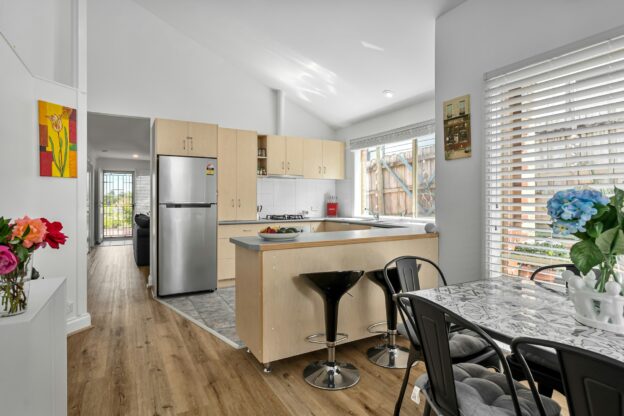
After that, think about the basics that make a place liveable: a way to cook, somewhere to keep food cold and a means of washing clothes. A fridge and/or freezer and a washing machine tend to be the appliances people miss most when they are not there.
Furniture that earns its place in a small space
First flats and shared homes are often short on room, so the furniture you choose needs to work hard. The aim is comfort and function without cramming the place.
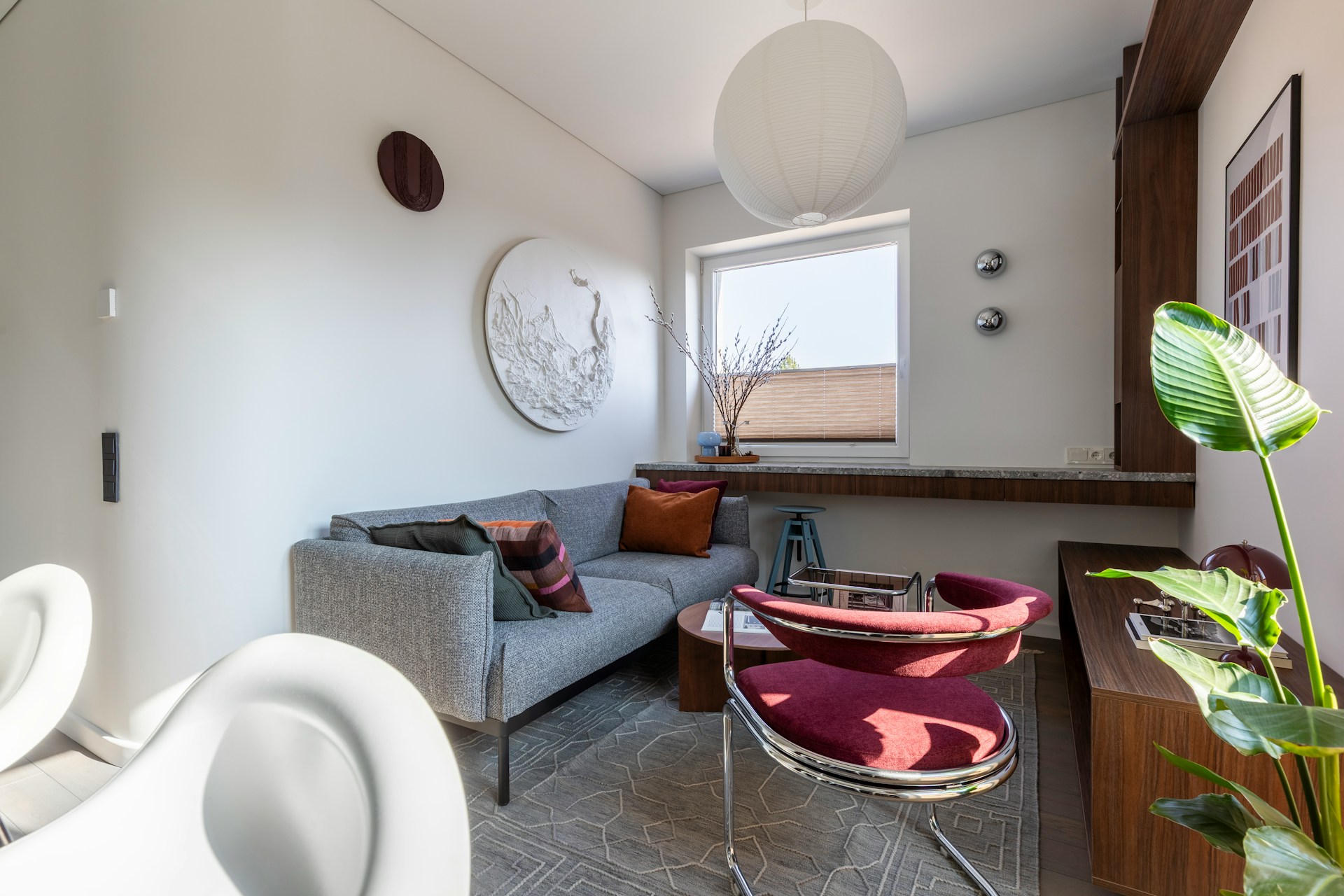
A sofa is usually the centre of a living room and the spot you will use most, so it is worth choosing one that fits the space rather than dominates it. Browse sofas with compact layouts in mind, especially if the room is doubling as a dining or working area.
Beyond seating, a few well-chosen pieces go a long way: a small table for eating and working, some storage to keep clutter down, and a chest of drawers if built-in wardrobe space is limited. In a shared home, it is also worth agreeing early who is buying what for communal areas, so nobody ends up with two of everything.
The tech and extras you will want before long
Once the essentials are in, attention usually turns to the things that make a home feel like yours. A television is high on most lists, and a TV sized to suit the room rather than the biggest you can find will serve a small space better.
Other common additions build up gradually: a microwave, a kettle and toaster, a vacuum, and enough kitchenware to actually cook. None of these need to be bought at once. Spreading non-urgent items across your first few months keeps the early outlay manageable and lets you see what you genuinely use.
Keeping the cost down
Furnishing a first home does not have to mean buying everything new or expensive. A few habits keep the total in check:
- Separate needs from wants, and buy the needs first.
- Check what you can take from family or pick up second-hand before paying full price.
- Measure your rooms before buying anything large, to avoid costly mistakes.
- Build up gradually rather than trying to complete the home in one month.
A bit of patience early on usually means a better-furnished home overall, because you are spending on the right things rather than rushing every decision.
Where pay-monthly options can help
Some items, particularly beds and larger appliances, are hard to skip and expensive to buy outright when you have just covered a deposit and moving costs. This is where spreading the cost can help, as long as it is approached carefully.
Through a rent-to-own hire purchase agreement, you choose the item, make an enquiry and, if approved, pay in regular instalments over an agreed term rather than all at once. A few things are worth understanding first:
- Paying through finance costs more overall than paying in cash, so check the total amount payable before committing.
- Applications are assessed individually, subject to status and an affordability assessment.
- Ownership of the item does not transfer to you until all payments have been made.
- The monthly amount, term length and total cost are shown clearly during the enquiry process.
If it is your first time using finance, it is worth being realistic about what you can manage. Only spread the cost of things you genuinely need, and check that the repayments would still fit if your income changed. You can read how rent-to-own works before deciding whether it is right for you.
Setting up your home at a manageable pace
Kitting out a first flat or shared home is rarely done in a single shop, and it does not need to be. By covering the genuine essentials first, choosing furniture that suits a smaller space and using pay-monthly options only where they make sense, you can build a comfortable home without overstretching yourself in the process.
If your circumstances change during an agreement or you are worried about payments, contact the team as early as possible, as support is available and acting sooner makes any issue easier to manage.
To see the full range or ask about pay-monthly options, browse the products at Family Vision or speak to the team on 01495 726565.